CDL Training Costs: What Schools Don't Tell You
Coach Ray audio brief for this topic
Loading audio...
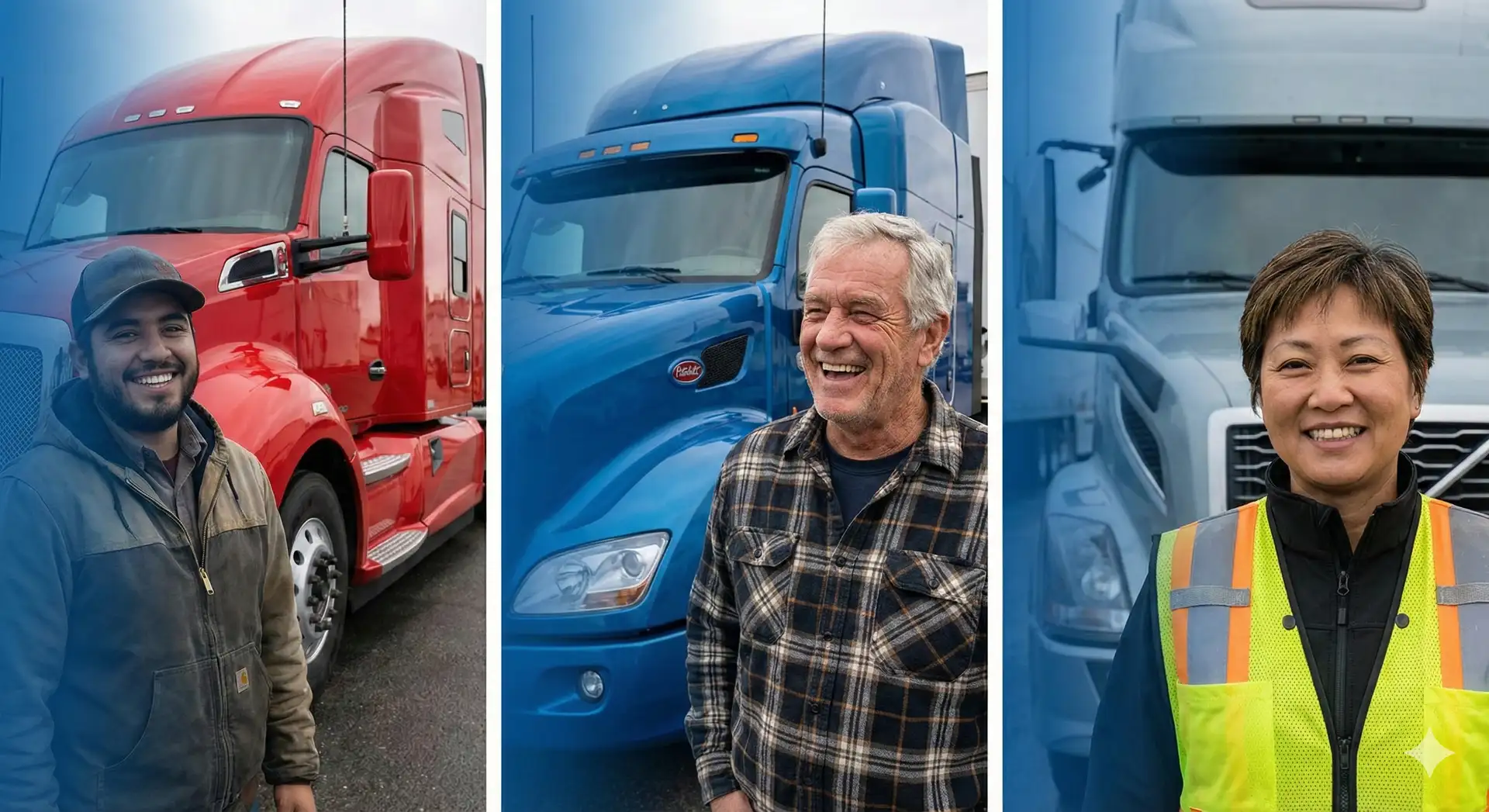
CDL Training Program Costs: What Schools Don't Tell You (2026)
By CDL Schools USA | Updated April 2026
The Real Cost of CDL Training
When CDL schools advertise '$3,000-$7,000 tuition,' they're not telling you the whole story. The total cost of getting your CDL includes several expenses beyond the training program itself. Here's the complete breakdown.
Complete CDL Cost Breakdown
| Expense | Cost Range | Notes |
|---|---|---|
| Training Tuition | $3,000-$10,000 | Varies by program type and location |
| DOT Physical Exam | $75-$150 | Required before CLP; valid 2 years |
| Drug Test | $30-$60 | Pre-employment requirement |
| CLP Application | $10-$50 | State DMV fee |
| CDL License Fee | $50-$200 | Varies by state |
| Skills Test Fee | $50-$200 | Some schools include this |
| Endorsement Tests | $10-$100 each | HazMat requires TSA background check |
| Study Materials | $0-$50 | Free resources available online |
| Transportation to School | $200-$1,000 | Gas/transit during training period |
| Living Expenses (if relocating) | $1,000-$3,000 | Housing during 4-8 week program |
| Total Range | $3,425-$14,810 |
Cost by Program Type
Private CDL Schools: $3,000-$10,000
The most common option. Private schools offer flexible scheduling and smaller class sizes. Costs vary based on:
- Program duration (accelerated costs more per week)
- Geographic location (coastal cities are more expensive)
- Endorsements included (HazMat, Tanker add cost)
- Job placement services
Community Colleges: $1,500-$5,000
Often the most affordable option, especially with financial aid. Benefits include:
- Pell Grant eligible
- WIOA grant eligible
- Accredited institution
- Longer programs (more comprehensive)
Company-Sponsored: FREE
Major carriers like Swift, Werner, and Schneider offer free CDL training. The catch: you must work for them for 1-2 years after graduation. If you leave early, you may owe tuition reimbursement ($3,000-$7,000).
Hidden Fees to Watch For
- Retake fees: $100-$500 per failed skills test attempt
- Equipment fees: Some schools charge extra for gear
- Overtime training: Extra hours beyond program limits
- CDL upgrade fees: Charging separately for Class A vs B
- Non-refundable deposits: $200-$500 upfront
How to Reduce CDL Training Costs
- Apply for WIOA grants through your local workforce office — can cover 100% of tuition
- Use GI Bill benefits if you're a veteran — covers tuition + living stipend
- Consider company-sponsored programs if you're open to a 1-2 year commitment
- Choose community colleges for Pell Grant eligibility
- Compare at least 3 schools — prices vary significantly even within the same city
Is CDL Training Worth the Investment?
Absolutely. Here's the math:
- Average first-year CDL driver salary: $50,000-$65,000
- Average CDL training cost: $5,000-$7,000
- ROI: Training costs recouped in 1-2 months of employment
- Experienced drivers earn $70,000-$90,000+ annually
CDL training is one of the highest-ROI vocational investments you can make. Find affordable CDL schools near you and start comparing costs today.
📧 Weekly CDL News Digest
Get the latest CDL regulations and industry updates delivered to your inbox every week.
- FMCSA regulatory updates
- Training requirement changes
- Industry hiring trends
From real driver threads
The costs students found after paying, from complaints and threads
Tuition is the number on the flyer. These are the charges and losses that appeared afterwards.
Permit, physical and drug screen were "included" until they were not
The mistake: Taking a verbal promise that the $175 of permit, physical and screen fees were covered.
“they told they would pay for my permit and dot physical and drug screen, that's about 175.00”PissedConsumer review of a Phoenix school: read the thread
How to avoid it: Get the all-in cost sheet in writing: permit, physical, drug screen, test fees, retests, lodging and truck use for retests.
Compare all-in costs →Idle days counted against the 160 hours
The mistake: Waiting six weeks for yard training, then sitting three days without an instructor while the hours were billed as training.
“first three days no instructor, students sat reading; wasted hours counted against the 160-hour maximum”BBB complaint against a national chain (paraphrase, resolved outside BBB): read the thread
How to avoid it: Ask for the hours schedule in writing and what happens to your hours when the school's trucks or instructors are unavailable. It should be the school's cost.
Verify the school's registry status and record →The automatic restriction cost $500 to $760 at a second school
The mistake: Testing in an automatic because the manual trucks were crowded, then paying another school and a tester to remove the restriction.
“had to go to another school and pay about $760 in tester fees to remove the automatic restriction”Trustpilot reviews of a national chain (paraphrase): read the thread
How to avoid it: Decide before enrolling whether you will test manual, and confirm the school has enough working manual trucks for the class size.
Test-day mistakes and how to avoid them →Retests capped and refresher training unavailable, disclosed after graduation
The mistake: Failing the skills test and only then learning the school limited truck use for retests and offered no refresher.
“Had these policies been clearly disclosed before I enrolled or graduated, I would have understood the risks and planned accordingly.”BBB complaint against a large school, July 2026 (answered): read the thread
How to avoid it: Get the retest policy in writing before paying: attempts included, truck-use fee per attempt, and whether refresher time is available.
Practice before the first attempt →A 600-hour aid-funded program padded with videos
The mistake: Choosing the 20-week financial-aid track for the funding rather than the training. Half the classroom time was breaks and videos required to draw the government money.
“it was mandatory for the school to get their government money to have us sit through a 300 hour course.”TruckersReport forum (central California): read the thread
How to avoid it: Judge a program by range hours and backing reps per student, not calendar length. A 160-hour course is enough for the test.
What a program should include →